Lack of Accessible Emergency Alerts Endangers Indigenous Communities In Riverside and Imperial Valley
Actualizado: 27 feb




San Diego
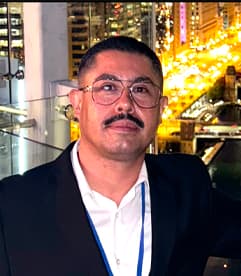
By Hector Felix
A critical, yet often overlooked, population of Indigenous people—whose primary languages include Purépecha, Náhuatl, Mixtec, and Cahuilla, not English or Spanish—lives and works in the agricultural and rural regions of Riverside and Imperial counties. Despite their vital role in sustaining the local agricultural economy, these communities face significant barriers to accessing crucial information, especially official emergency alerts for crises like wildfires, evacuations, extreme heat, or public health emergencies.
The Language Barrier in Official Systems
Official alert mechanisms (such as text messages, automated calls, or county mobile apps) are predominantly issued in English and sometimes Spanish, rendering them incomprehensible to Indigenous language speakers. This lack of accessible information places them at heightened risk. Community workers report that many people receive alerts but “do not understand what it says or what they are supposed to do.” This void leads to the informal, word-of-mouth circulation of messages, which are often delayed or incomplete.
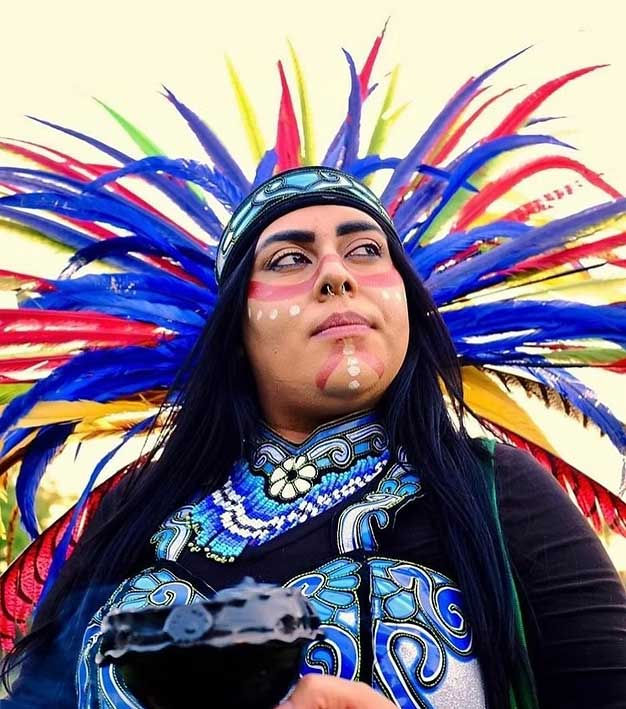
Claudia “Citlali” Armenta, of the Danza Azteca Citlaltonac Indigenous Cultural Center, confirmed a significant population of Indigenous people in the Coachella area who do not speak English or Spanish, with Purépecha, Náhuatl, Mixtec, and Cahuilla being among the most common languages.
Risks of Relying on Informal Networks
According to Armenta, these communities frequently learn about emergencies through informal networks—family, neighbors, community organizations, cultural centers, tribal reservations, local AM radio, podcasts, or social media flyers. However, relying on these unofficial channels presents serious dangers. Armenta warned that when information lacks an understandable official source, it can become distorted, dangerously delayed, or cause unnecessary panic. She emphasized that the loss of “critical details such as evacuation routes, schedules, or levels of danger... can make the difference between life and death.”
Erick Ortega, a San Diego County representative for the Pala Band of Mission Indians and collaborator with Rez Radio, highlighted that the concentration of state alerts in English or Spanish excludes speakers of languages like Purépecha or Mixtec, creating a “trust desert.” Ortega also noted that technical barriers, such as weak radio signals and lack of broadband access, further impede timely alert reception during crises.
The challenges are compounded in the agricultural areas of the Coachella and Imperial Valleys, where many Indigenous families also face technological limitations, restricted internet access, and a fear of interacting with authorities, particularly among undocumented individuals.
Community-Based Safety Nets
An Indigenous worker, whose paternal language is Purépecha and who preferred to remain anonymous, described relying on her children or other relatives for translations of English alerts regarding wildfires or evacuations. This family-based system has become essential for the safety of many Indigenous households in the region.
Rose, from the organization Indian Voices, stressed the necessity of strengthening collaboration among Indigenous communities to overcome these barriers. “We need to come together, share information and resources, and overcome the challenges we face as Indigenous peoples. Only then will our communities be visible and safe during crises,” she stated.
Urgent Need for Inclusive Public Policy
Academics and organizations, including anthropologist Seth M. Holmes (Fresh Fruit, Broken Bodies), MICOP, and CRLA, have extensively documented the structural inequalities Indigenous farmworkers face, including health disparities, poor labor conditions, and limited access to essential services and information.
Armenta argues that authorities in Riverside and Imperial counties must immediately adopt more inclusive strategies. Her recommendations include: automated multilingual alerts in the region’s predominant Indigenous languages; hiring community promotores as official emergency liaisons; utilizing universal iconography and audio messages; forming partnerships with trusted community radio stations.
While local organizations and Indigenous promotores currently work to bridge the information gap through oral translations, audio messages, pictograms, and direct community outreach, advocates agree that these efforts cannot substitute for “strong and permanent public policy.”
The exclusion of these communities from official alert systems represents an unresolved obligation. Given the region’s reliance on their labor, ensuring their safety is not just about language access, but about guaranteeing dignity and the fundamental right to life-saving information.
(A request for comment sent to the Riverside County Office of Emergency Services and CAL FIRE regarding their language access protocols had received no response at the time of publication.)


Comentarios